
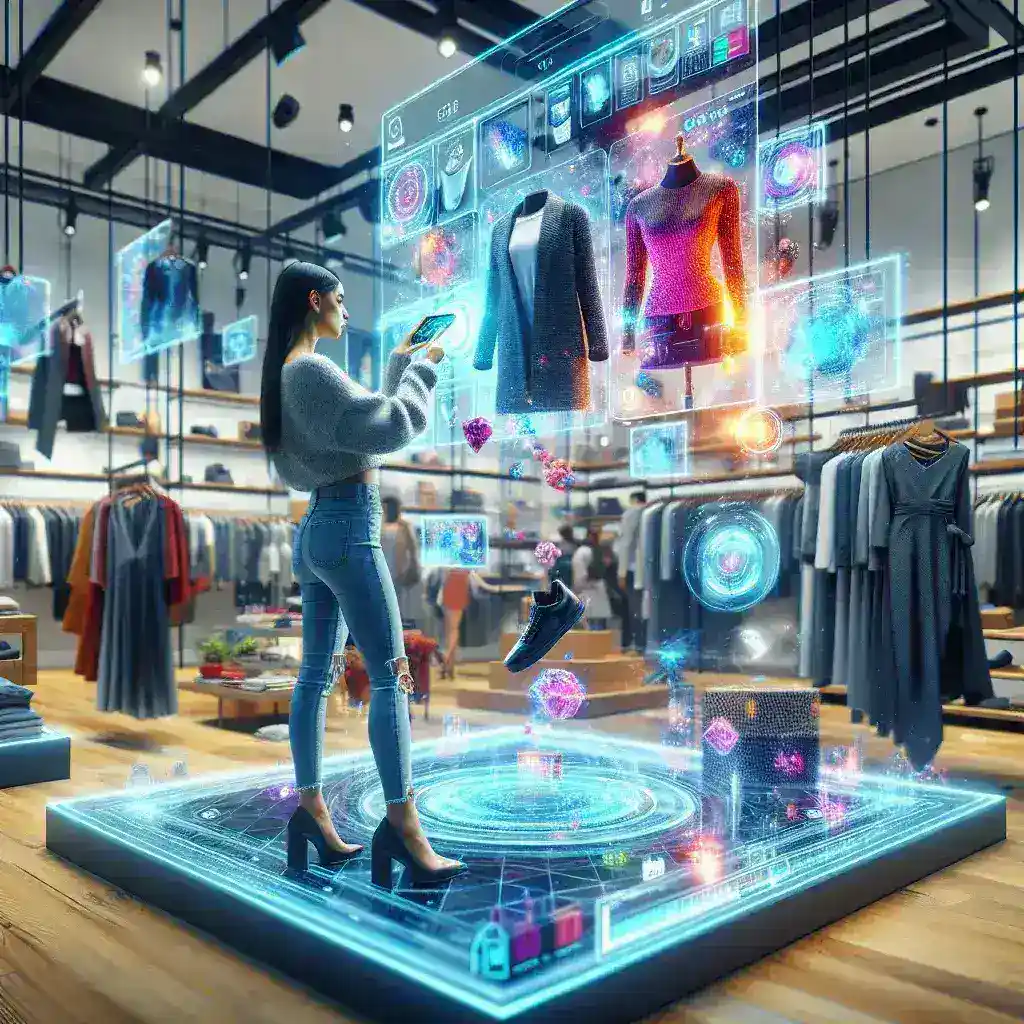
Introduction to Augmented Reality (AR)
Augmented Reality (AR) is rapidly transforming various industries, and retail is no exception. By integrating digital information with the physical world, AR enhances the shopping experience, making it more interactive and engaging.
The Role of AR in Retail
In the retail sector, AR serves multiple functions, including:
- Interactive Shopping: AR allows customers to visualize products in their own space before making a purchase.
- Enhanced Product Information: Customers can access detailed information about products through their smartphones or AR devices.
- Virtual Try-Ons: AR technology enables users to try on clothes, accessories, or makeup virtually, improving the likelihood of purchase.
- In-Store Navigation: Retailers can enhance the in-store experience by using AR to guide customers to products or promotions.
Benefits of AR in Retail
Implementing AR in retail offers numerous advantages:
- Increased Engagement: AR captures customer attention and encourages interaction, leading to higher engagement levels.
- Reduced Return Rates: By allowing customers to visualize products, AR decreases the chances of returns.
- Competitive Advantage: Retailers using AR stand out in a crowded marketplace, attracting tech-savvy consumers.
- Enhanced Customer Satisfaction: AR improves the shopping experience, leading to happier customers and increased loyalty.
Examples of AR in Retail
Many leading retailers are already utilizing AR technology:
1. IKEA Place
This app allows users to see how furniture will look in their homes through AR, making it easier to visualize and choose products.
2. Sephora Virtual Artist
Sephora’s app enables customers to try on makeup virtually, making it easy to find the best shades without physical samples.
3. Nike Fit
Nike’s app uses AR to help customers find the perfect shoe size by scanning their feet with their smartphone.
Future of AR in Retail
The potential for AR in retail is vast. As technology advances, we can expect even more immersive experiences that integrate AI, machine learning, and personalized shopping experiences. Retailers are likely to invest further in AR to improve customer experiences, leading to a more streamlined and enjoyable shopping process.
Conclusion
Augmented reality is redefining how consumers shop, bridging the gap between online and offline experiences. As technology continues to evolve, AR will play a crucial role in shaping the future of retail, making it essential for retailers to embrace this innovative approach.



Leave a Reply