
Introduction
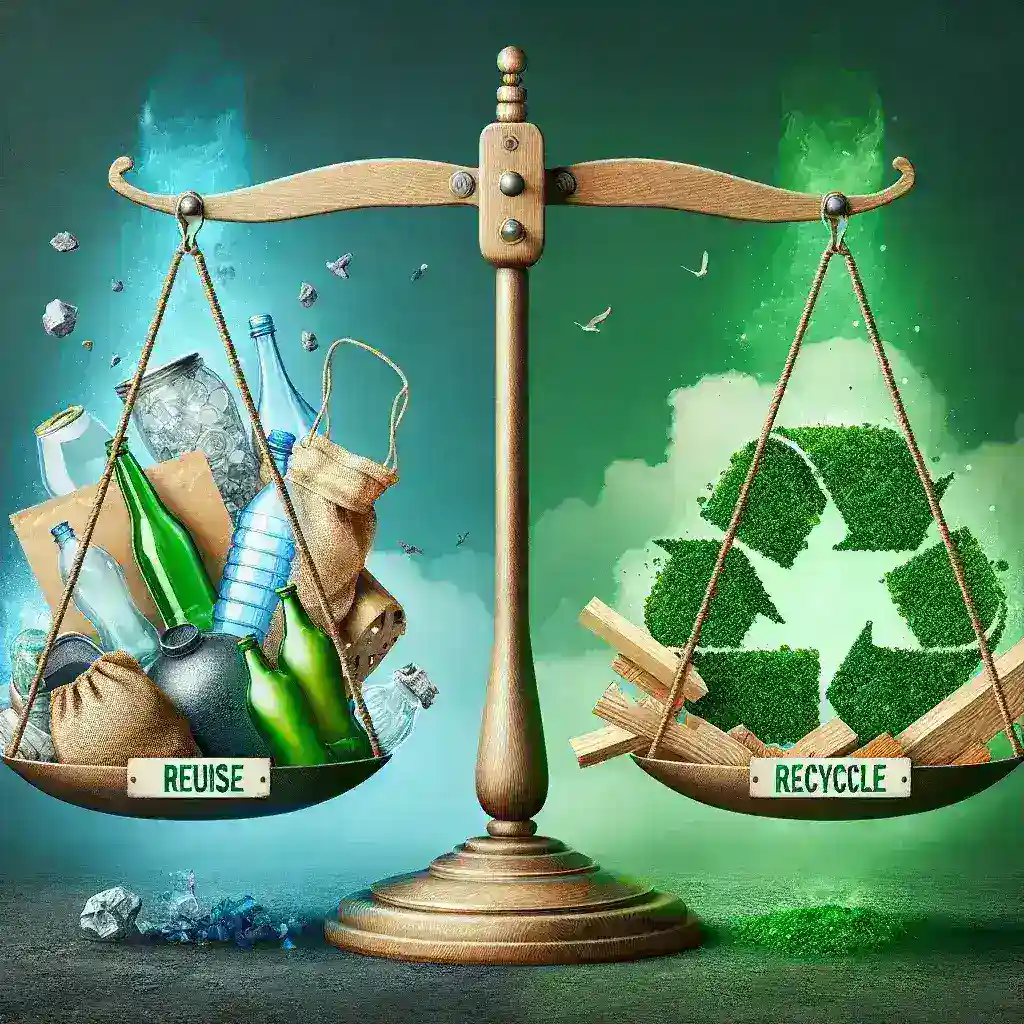
As the world grapples with the pressing challenges of climate change, the urgent need to reduce carbon emissions becomes increasingly apparent. Among various strategies to mitigate environmental impact, the concept of reuse has emerged as a critical player, particularly in comparison to traditional recycling methods. This article delves into how reuse cases reduce carbon output over full recycling cycles, examining their significance, effectiveness, and future implications.
The Importance of Carbon Footprint Reduction
Understanding carbon footprint is essential in the fight against climate change. Carbon emissions stem from numerous sources, including manufacturing, transportation, and waste management. By analyzing and reducing these emissions, we can work towards a sustainable future.
- Historical Context: The industrial revolution marked the beginning of large-scale carbon emissions, significantly impacting our environment.
- Current Statistics: According to recent studies, the global carbon footprint stands at approximately 50 billion metric tons, necessitating immediate action.
- Future Predictions: Without intervention, carbon emissions are expected to rise, leading to severe climate consequences.
Defining Reuse and Recycling
Before diving into reuse cases, it is crucial to differentiate between reuse and recycling:
- Reuse: Refers to the practice of utilizing items more than once for the same or a different purpose without significant alteration.
- Recycling: Involves processing used materials to create new products, often requiring energy-intensive procedures.
How Reuse Cases Reduce Carbon Output
To comprehensively understand the advantages of reuse, consider the following:
1. Reduced Energy Consumption
One of the most significant benefits of reuse is the reduction in energy consumption. Recycling processes require energy for collection, sorting, and processing materials. In contrast, reuse minimizes these steps:
- For example, using glass jars multiple times can save up to 80% of the energy used in manufacturing new ones.
2. Lower Emissions from Transportation
Transportation contributes heavily to carbon emissions. With reuse, products can often stay within local communities, reducing the need for long-distance transport:
- Local reuse initiatives, such as thrift stores, allow items to circulate within neighborhoods, minimizing transportation emissions.
3. Waste Reduction
By extending the life cycle of products, reuse significantly cuts down on waste. Less waste leads to fewer emissions from landfills:
- For instance, reusing a single plastic bottle can prevent multiple bottles from entering the waste stream, saving land and reducing methane emissions from decomposing plastics.
Pros and Cons of Reuse
Pros:
- Environmental Benefits: Reduces carbon emissions and conserves resources.
- Economic Savings: Saves costs for both consumers and businesses.
- Community Engagement: Encourages local initiatives and fosters community ties.
Cons:
- Quality Concerns: Reused items may not always meet quality standards.
- Limited Scope: Not all products are suitable for reuse.
Real-World Examples of Reuse Initiatives
Numerous initiatives worldwide showcase the effectiveness of reuse in reducing carbon output:
- The Reuse Network: A UK-based organization promoting reuse across various sectors.
- Community Swap Events: Local gatherings where individuals exchange items they no longer need, fostering a culture of reuse.
Future Predictions and Cultural Relevance
As we move towards a more sustainable future, the role of reuse in reducing carbon output will only grow:
- Innovation in Reuse: New technologies and platforms will continue to emerge, making reuse more accessible.
- Cultural Shift: Social media campaigns and community programs are changing perceptions of second-hand products.
Conclusion
In summary, the examination of reuse cases reveals a profound potential to reduce carbon output compared to full recycling cycles. The benefits extend beyond just environmental impact; they encompass economic and social dimensions as well. As we continue to face climate challenges, embracing reuse practices can play a vital role in paving the way for a sustainable future, highlighting the need for individuals, businesses, and communities to prioritize and advocate for reuse. Together, we can help create a ripple effect that leads to a significant reduction in carbon emissions, benefitting not only our planet but future generations as well.



Leave a Reply