
Introduction
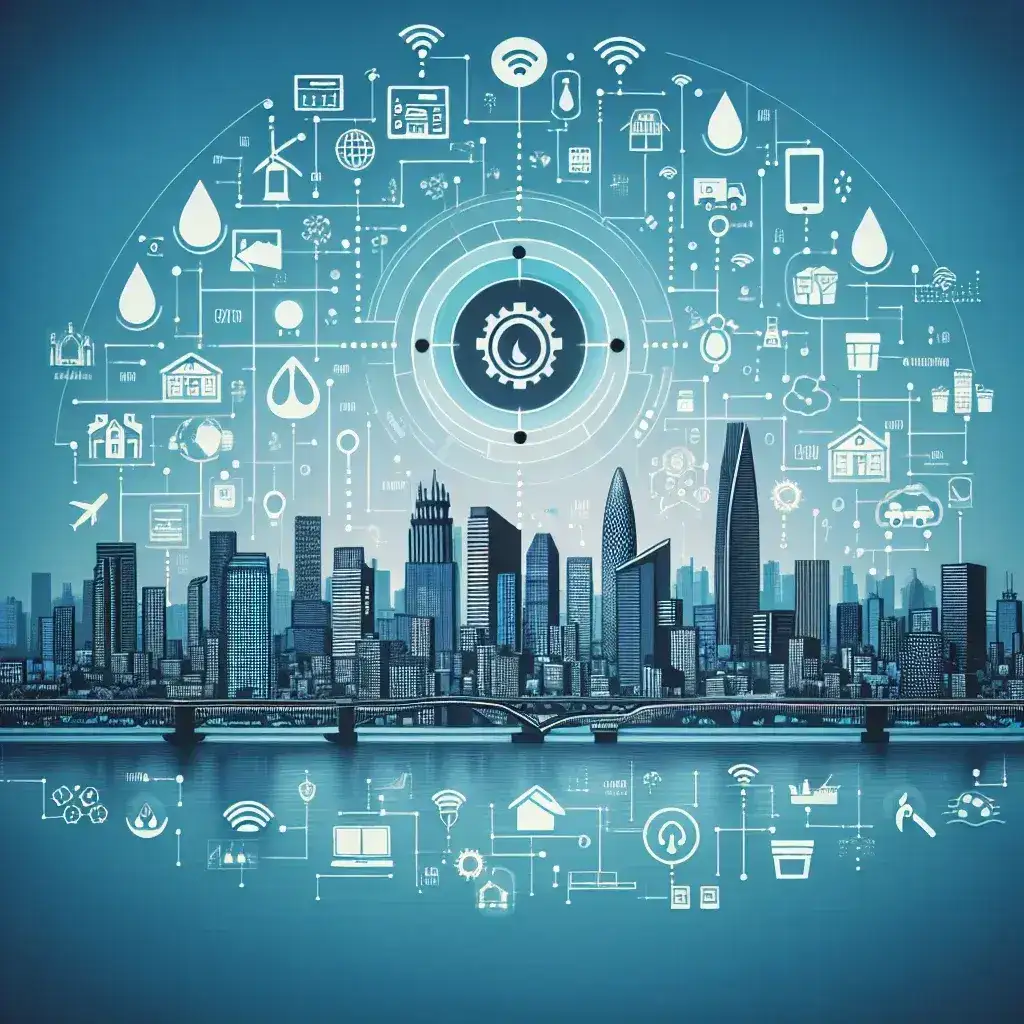
Water is an essential resource for human survival, agriculture, and industry. Yet, as urbanization continues to rise, cities face increasing water crises due to pollution, climate change, and population growth. In response to these challenges, cities are turning to innovative solutions, particularly the Internet of Things (IoT), to create resilient urban environments. This article delves into how IoT is revolutionizing water management in urban areas, predicting crises, and developing strategies to mitigate their impact.
Understanding Resilient Cities
A resilient city is one that can absorb and recover from shocks and stresses such as natural disasters, economic fluctuations, and social challenges. Resilience in urban planning involves sustainable development, environmental stewardship, and social equity. The concept of resilient cities extends to water management, where the focus is on ensuring a stable and safe water supply for all residents.
Historical Context
Historically, cities have struggled with water management. Ancient civilizations relied on natural water sources, leading to conflicts and unsustainable practices. The industrial revolution intensified water issues due to increased consumption and pollution. In modern times, cities have recognized the need for integrated water resource management (IWRM) to ensure equitable access to clean water.
The Role of IoT in Water Management
The Internet of Things refers to the interconnected network of devices that communicate and share data. In water management, IoT technologies allow cities to collect real-time data on water usage, quality, and availability. By leveraging this data, cities can make informed decisions to optimize water resources.
Predictive Analytics
IoT devices equipped with sensors can monitor water levels, detect leaks, and assess water quality. This data can be analyzed to predict potential water crises before they occur. For example, cities can use predictive analytics to forecast drought conditions based on weather patterns, allowing them to implement conservation measures proactively.
Smart Water Management Systems
Advanced IoT solutions have led to the development of smart water management systems. These systems provide real-time monitoring and automation of water distribution networks. Automated valves and pumps can adjust the flow of water based on demand, reducing waste and ensuring efficient distribution.
Mitigating Water Crises
Mitigation strategies are crucial in handling water crises. IoT plays a significant role in these strategies by enhancing monitoring and response capabilities.
Leak Detection and Management
Water leaks can result in significant losses and contribute to water crises. IoT-enabled sensors can detect leaks in real-time, allowing for quick repairs and minimizing water waste. For instance, cities like Los Angeles have implemented smart leak detection systems that notify operators of issues, reducing response times.
Water Quality Monitoring
Ensuring safe drinking water is paramount. IoT technologies enable continuous monitoring of water quality, detecting contaminants and harmful substances. This capability allows cities to respond swiftly to potential health hazards, protecting public health.
Community Engagement
Engaging the community in water conservation efforts is essential. IoT platforms can facilitate communication between city officials and residents, providing real-time information on water usage and conservation tips. By raising awareness, cities can foster a culture of sustainability.
Case Studies
Barcelona, Spain
Barcelona has implemented an IoT-based water management system that encompasses leak detection, quality monitoring, and public engagement. The city’s smart water network has reduced leaks by up to 30%, demonstrating the effectiveness of IoT in managing urban water resources.
Singapore
Singapore is renowned for its innovative water management practices. The city-state employs IoT technologies to monitor its water supply and quality meticulously. With initiatives like the ‘NEWater’ project, Singapore recycles wastewater using advanced technology, contributing to its water resilience.
Future Predictions
Looking ahead, the integration of IoT in water management is expected to grow substantially. Advancements in artificial intelligence (AI) and machine learning will enhance predictive capabilities, enabling cities to optimize their water resources further. Moreover, as climate change continues to pose challenges, resilient cities will increasingly rely on IoT to adapt to shifting conditions.
Challenges and Considerations
While the benefits of IoT in water management are significant, challenges remain. Data security is a critical concern, as increased connectivity raises the risk of cyberattacks. Furthermore, the initial investment in IoT infrastructure can be substantial, often requiring substantial public and private partnerships.
Conclusion
As cities grapple with water crises, the integration of IoT technologies provides a promising path toward resilience. By predicting and mitigating water-related challenges, cities can ensure a sustainable water supply for future generations. The proactive implementation of IoT solutions is essential in creating a resilient urban environment where communities thrive.
Call to Action
Urban planners, policymakers, and residents should advocate for the adoption of IoT technologies in water management. Collaborative efforts can enhance resilience, ensuring that our cities are prepared to face future water crises.



Leave a Reply